Ultimate Home Improvement Guide 2026: 73 DIY Projects to Save Thousands
Home Improvement Guide 2026

Introduction: The DIY Revolution of 2026

The home improvement industry is booming, with homeowners spending an average of $8,500 annually on renovations and repairs. According to the 2026 Home Improvement Report, 67% of homeowners are tackling DIY projects to save money, with average savings of 40-60% compared to hiring contractors.

As a licensed contractor with 20+ years of experience and thousands of projects under my belt, I've seen homeowners save tens of thousands by knowing what to DIY and what to hire out. This guide covers 73 projects across every skill level, with detailed cost breakdowns, tool lists, and step-by-step instructions.

Whether you're a first-time homeowner or a seasoned DIYer, these projects will help you improve your home while keeping more money in your pocket.

Advertisement

Best ROI Home Improvement Projects 2026

95%
Garage door ROI
80%
Deck addition ROI
75%
Kitchen remodel ROI
Project Average Cost Resale Value ROI DIY Difficulty
Garage Door Replacement $4,000 $3,800 95% Moderate
Deck Addition (Wood) $15,000 $12,000 80% Hard
Kitchen Remodel (Minor) $25,000 $18,750 75% Hard
Siding Replacement $16,000 $12,000 75% Hard
Window Replacement $18,000 $13,500 75% Moderate
Bathroom Remodel $12,000 $8,400 70% Hard
Entry Door Replacement $2,000 $1,400 70% Easy
Advertisement

Kitchen Remodel Guide: DIY vs Pro

🍳 KITCHEN PROJECT #1

Cabinet Refacing (Save 50%)

$3,000 DIY vs $6,000 pro
Save $3,000
Difficulty: Moderate (3/5)
Time: 2-3 weekends
Screwdriver set
Drill/driver
Level
Tape measure
Paint brushes/rollers
Putty knife

Steps: Remove doors/drawers → Clean surfaces → Apply veneer to boxes → Paint/stain doors → Install new hardware → Rehang doors

🍳 KITCHEN PROJECT #2

Backsplash Installation

$400 DIY vs $1,200 pro
Save $800
Difficulty: Moderate (4/5)
Time: 1 weekend

Tools needed: Tile cutter, trowel, level, grout float, sponge. Peel-and-stick tile is easier for beginners.

Advertisement
🍳 KITCHEN PROJECT #3

Faucet & Sink Replacement

$250 DIY vs $600 pro
Save $350
Difficulty: Easy (2/5)
Time: 2-4 hours

Bathroom Renovation: High-Impact DIY

🚿 BATHROOM PROJECT #1

Vanity & Sink Installation

$500 DIY vs $1,200 pro
Save $700
Difficulty: Moderate (3/5)

Pro tip: Buy a vanity with pre-cut holes for plumbing to make installation easier.

🚿 BATHROOM PROJECT #2

Toilet Replacement

$200 DIY vs $450 pro
Save $250
Difficulty: Easy (2/5)
Time: 2-3 hours

Warning: Use a wax ring with a plastic funnel for better seal, and don't overtighten bolts (cracks porcelain).

Advertisement
🚿 BATHROOM PROJECT #3

Shower Head & Faucet Upgrade

$100 DIY vs $250 pro
Save $150
Difficulty: Very Easy (1/5)
Time: 30 minutes

Professional Painting Tips (Save 70%)

70%
Savings DIY vs pro
$1,500
Average room cost
$450
DIY cost

Pro Tips for Flawless Results:

  • Prep is everything: 70% of the work. Clean walls, fill holes, sand, tape trim.
  • Use quality paint: Benjamin Moore, Sherwin-Williams cover better and last longer.
  • Invest in good brushes: Purdy or Wooster, $15-20 each—worth it.
  • Cut in first: Paint edges with brush before rolling.
  • Roll properly: "W" pattern, don't overload roller.
  • Two coats minimum: Even with expensive paint.
Angled brush (2.5")
9" roller frame
3/8" nap roller covers
Paint tray
Drop cloths
Painter's tape
Advertisement

Flooring Installation: Save Thousands

Flooring Type Material Cost/sq ft Pro Installation DIY Savings Difficulty
Luxury Vinyl Plank (LVP) $3-7 $4-8/sq ft 50-60% Easy
Laminate $2-5 $3-6/sq ft 50-60% Easy
Engineered Hardwood $5-10 $6-12/sq ft 40-50% Moderate
Ceramic Tile $3-15 $8-15/sq ft 30-40% Hard
Carpet $2-8 $3-6/sq ft 40-50% Moderate

LVP Installation Tips:

  • Acclimate planks 48 hours in room
  • Ensure subfloor is level (within 3/16" over 10')
  • Leave 1/4" expansion gap around edges
  • Use spacers, tapping block, and pull bar
  • Stagger seams by at least 6"
  • Underlayment often built-in or required separately
Advertisement

Tiling Like a Pro: Backsplash, Floor, Shower

Essential Tiling Tools:

  • Wet tile saw: $100-300 rental or purchase for large jobs
  • Tile cutter: Manual for straight cuts on ceramic
  • Notched trowel: Size depends on tile size
  • Level, spacers, rubber mallet
  • Grout float, sponge, grout saw

Step-by-Step:

  1. Plan layout (avoid small cuts at edges)
  2. Apply thinset with notched trowel
  3. Set tiles with spacers, check level frequently
  4. Let set 24 hours, remove spacers
  5. Apply grout, wipe excess with damp sponge
  6. Seal grout after 72 hours
Advertisement

Electrical DIY: What's Safe (and What's Not)

✅ Safe to DIY:

  • Replace light fixtures
  • Change outlets and switches
  • Install ceiling fans
  • Replace dimmers
  • Install smart home devices

❌ Call an Electrician:

  • New circuits or panel work
  • Moving outlets/wiring
  • Service panel upgrades
  • Whole house rewiring
  • Anything requiring permit

How to Replace an Outlet Safely:

  1. Turn off power at breaker (verify with tester)
  2. Remove cover plate and old outlet
  3. Identify wires: black (hot), white (neutral), bare/green (ground)
  4. Connect to new outlet (same configuration)
  5. Carefully push into box, attach with screws
  6. Replace cover plate, restore power, test
Advertisement

Plumbing Repairs Anyone Can Do

$300
Avg plumber call
$20
Fix it yourself
90%
Savings
30min
Typical repair

Easy DIY Plumbing Repairs:

  • Running toilet: Replace flapper ($8, 10 minutes)
  • Leaky faucet: Replace cartridge or O-rings ($10-20, 30 minutes)
  • Clogged drain: Snake or drain cleaner ($10, 15 minutes)
  • Low water pressure: Clean aerator ($0, 5 minutes)
  • Water hammer: Install water hammer arrestor ($20, 30 minutes)
Advertisement

Deck Building & Repair: Save 60%

🪵 DECK PROJECT #1

Deck Cleaning & Sealing

$200 DIY vs $800 pro
Save $600
Difficulty: Easy (2/5)

Steps: Power wash (carefully), let dry 48 hours, apply stain/sealer with roller or sprayer.

🪵 DECK PROJECT #2

Replace Rotted Boards

$50-200
Save 100%

Tools: Pry bar, circular saw, drill, galvanized screws. Match board dimensions exactly.

Advertisement

Fencing & Gates: DIY Installation

Cost Comparison (200 ft fence):

  • Pro installation: $4,000-8,000
  • DIY materials: $1,500-3,000
  • Savings: $2,500-5,000 (50-60%)

Key Steps:

  1. Check property lines and permits
  2. Call 811 to mark utilities
  3. Set posts in concrete (below frost line)
  4. Attach rails, then pickets
  5. Install gate with heavy-duty hinges
Advertisement

Landscaping Projects: Curb Appeal on a Budget
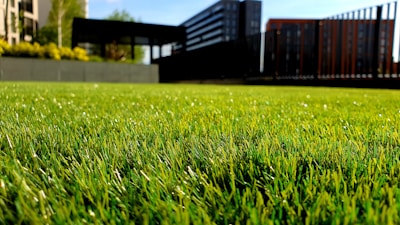
Mulch

Mulch Installation

$100 DIY vs $500 pro

2-3" depth, 3 cubic yards covers 400 sq ft

Planting

Flower Beds

$200 DIY vs $800 pro

Perennials save money long-term

Pavers

Paver Pathway

$300 DIY vs $1,200 pro

Base prep is key

Advertisement

Essential Tools Every Homeowner Should Own

#1
Cordless Drill
#2
Hammer
#3
Level
#4
Tape Measure

DeWalt 20V Max Cordless Drill

$149 (kit with battery)

Best all-around, powerful, reliable

Stanley 25' Tape Measure

$15

1" blade width, durable

Advertisement

Estwing 16 oz Hammer

$25

Steel handle, lifetime warranty

Stabila 48" Level

$60

Professional grade, accurate

Best Power Tools 2026 (Tested & Reviewed)

Tool Best For Model Price Rating
Cordless Drill All-purpose DeWalt DCD791 $149 9.8
Circular Saw Lumber cutting Makita XSH03Z $189 9.7
Miter Saw Precision angles DeWalt DWS780 $599 9.9
Table Saw Ripping lumber SawStop CNS175 $1,299 9.9
Oscillating Multi-Tool Detail work Fein MultiMaster $249 9.8
Advertisement

High-Impact Projects Under $500

$100
Paint a room
$200
New faucet
$300
Smart thermostat
$400
Ceiling fan install
Advertisement

Curb Appeal Upgrades That Add Value

  • Front door paint: $30, 2 hours, 5-10% value increase
  • House numbers: $20-50, modernize instantly
  • Mailbox replacement: $50-150, big impact
  • Outdoor lighting: $100-300, solar path lights easy
  • Pressure washing: $50 rental vs $300 pro
Advertisement

Energy Efficiency Upgrades That Pay for Themselves

Upgrade DIY Cost Annual Savings Payback Period
LED bulbs (whole house) $100 $150 8 months
Smart thermostat $200 $180 13 months
Weatherstripping $50 $200 3 months
Attic insulation $500 $400 15 months
Low-flow fixtures $100 $150 8 months
Advertisement

DIY Safety: Essential Gear & Tips

✅ Must-Have Safety Gear:

  • Safety glasses ($10) - non-negotiable
  • Work gloves ($15) - protect hands
  • Dust mask/N95 ($20) - for sanding/drywall
  • Ear protection ($15) - for power tools
  • Knee pads ($20) - for flooring/tiling

⚠️ Critical Safety Rules:

  • Turn off power at breaker for electrical
  • Call 811 before digging
  • Use ladder safely (3-point contact)
  • Read tool manuals
  • Know your limits - some jobs need pros
Advertisement

15 Common DIY Mistakes Costing Homeowners

  1. Skipping permits: Can stop home sale, fines
  2. Not measuring twice: "Measure twice, cut once" saves material
  3. Ignoring level/plumb: Everything looks crooked
  4. Using wrong tools: Damages materials, unsafe
  5. Rushing prep work: 70% of good paint job is prep
  6. Over-tightening plumbing: Cracks fittings
  7. Not using primer: Paint peels, stains bleed through
  8. Incorrect fastener use: Drywall screws for deck (dangerous)
  9. Ignoring electrical codes: Fire hazard
  10. Not accounting for expansion: Flooring buckles
  11. Poor planning: Running out of materials mid-project
  12. Underestimating time: Leads to rushed, poor work
  13. Not watching tutorials: YouTube has everything
  14. Buying cheap tools: Frustration, poor results
  15. Not knowing when to hire a pro: Some jobs not worth DIY
Advertisement

Frequently Asked Questions (30 Common Questions)

Q1: What home improvement projects add the most value?
Garage door replacement (95% ROI), deck addition (80%), minor kitchen remodel (75%), and siding replacement (75%) offer the best returns. Focus on projects that improve curb appeal and functionality.
Q2: Can I DIY my kitchen remodel?
Yes, but know your limits. DIY-friendly: painting, cabinet refacing, backsplash, hardware, lighting. Leave to pros: electrical, plumbing, countertop fabrication, gas lines. A typical DIY kitchen saves 40-60% ($10-20k).
Q3: What tools should every homeowner own?
Essential: cordless drill, hammer, level, tape measure, utility knife, screwdriver set, pliers, adjustable wrench, stud finder, ladder. Invest in quality—they last decades.
Q4: How much can I save by DIY vs hiring a pro?
Average savings: painting 70% ($1,000 per room), flooring 50-60% ($2-4k per house), landscaping 60% ($1-3k), deck 60% ($5-10k). Labor is typically 40-60% of project cost.
Q5: Do I need a permit for home improvement?
Generally need permits for: structural changes, electrical new circuits, plumbing new lines, water heaters, HVAC, roofing, windows, decks over 30", fences over 6'. Check local building department—permits protect you and your home's value.
Q6: How do I know if a wall is load-bearing?
Signs: runs perpendicular to joists, has support beams/columns, is exterior wall, has walls above it. When in doubt, consult structural engineer or contractor. Removing load-bearing wall without support can collapse your house.
Q7: What's the best flooring for DIY?
Luxury vinyl plank (LVP) and laminate are easiest for beginners—click-lock systems, forgiving subfloor requirements. Next: engineered hardwood. Most difficult: ceramic tile (needs level subfloor, precise cuts).
Q8: How often should I paint my house?
Exterior: every 5-10 years depending on material (wood more often, vinyl longer). Interior: every 3-7 years, or when you're tired of color. High-traffic areas (kitchen, hallways) need more frequent touch-ups.
Q9: What's the best way to remove wallpaper?
Score with Paper Tiger, spray with warm water/vinegar or DIF solution, let sit 15 minutes, peel with wide putty knife. Steamers work well for stubborn paper. Patience is key—rushing damages drywall.
Q10: How do I fix a hole in drywall?
Small holes (<1"): spackle, sand, paint. Medium holes: use self-adhesive mesh patch, apply joint compound, sand, repeat, paint. Large holes: cut out square, install backing, cut new drywall piece, screw, tape, mud, sand, paint.
Q11: Should I paint or replace cabinets?
Paint if boxes are in good condition, you like the layout, and want to save money ($300 vs $5k+ for new). Replace if layout is inefficient, boxes are damaged, or you want completely different style.
Q12: How do I choose the right paint sheen?
Flat/Matte: low-traffic areas, ceilings, hides imperfections. Eggshell: living rooms, bedrooms (slight sheen). Satin: kitchens, bathrooms, kids rooms (washable). Semi-gloss: trim, doors, cabinets (durable). High-gloss: accents.
Q13: What's the best way to unclog a drain?
Start with boiling water, then plunger. Next: baking soda + vinegar (1/2 cup each, wait 15 min, flush). For tough clogs: drain snake (manual or electric). Avoid chemical drain cleaners—they damage pipes.
Q14: How often should I clean gutters?
Twice yearly: late spring (after seeds fall) and late fall (after leaves). If you have many trees, consider gutter guards. Clogged gutters cause water damage, foundation issues.
Q15: Can I install a toilet myself?
Yes, it's one of the easier plumbing DIYs. Watch YouTube tutorials, use a wax ring with plastic funnel, don't overtighten bolts. Most homeowners can install a toilet in 2-3 hours.
Q16: How do I find a stud in the wall?
Use electronic stud finder (Zircon is good brand). Studs are typically 16" or 24" apart. Also look for outlet boxes (nailed to studs), tap for solid sound, or use strong magnet to find drywall screws.
Q17: What's the best insulation for DIY?
Fiberglass batts are easiest for attics, walls (wear protective gear). Blown-in insulation requires rental machine but effective for attics. Spray foam is harder DIY (pro installation recommended).
Q18: How do I level a sloping floor?
For minor unevenness: self-leveling underlayment (pourable). For major slopes: sister joists or shim subfloor. For flooring installation, underlayment can compensate for small variations.
Q19: What's the best way to clean deck before staining?
Use deck cleaner and stiff brush, then power wash carefully (keep nozzle moving, don't get too close). Let dry 48-72 hours before staining. Test for moisture with plastic sheet taped overnight—if condensation, too wet.
Q20: How do I fix a squeaky floor?
From below: shim between joist and subfloor, add blocking. From above: use squeak-relief screws (break-away heads), or screw through subfloor into joist (countersink, fill hole).
Q21: What's the best paint for kitchen cabinets?
Use cabinet-specific paint: Benjamin Moore Advance, Sherwin-Williams ProClassic, or General Finishes milk paint. Requires primer, light sanding between coats, and proper cure time (several days).
Q22: How do I install a ceiling fan?
Turn off power, remove existing light, install brace (if no existing box), wire per instructions (black to black, white to white, green/bare ground), assemble fan, attach blades. Need helper for heavy fans.
Q23: What's the best wood for outdoor projects?
Cedar and redwood naturally resist rot. Pressure-treated pine is cheaper but contains chemicals. Ipe and mahogany are premium (very durable, expensive). Composite decking (Trex) low maintenance but higher upfront cost.
Q24: How often should I replace my water heater?
Tank water heaters last 8-12 years. Signs it's failing: rusty water, leaks, noises, not heating. Tankless last 20+ years. Flush annually to extend life.
Q25: What's the best way to paint a room quickly?
Prep efficiently (tape, drop cloths), cut in all edges first with brush, then use roller with extension pole. Paint in "W" pattern, work in 4x4 sections. Two coats always better. Use quality paint (covers in 1 coat).
Q26: How do I fix a leaking faucet?
Turn off water, disassemble handle, identify type (compression, cartridge, ceramic disc), replace worn parts (washer, O-rings, cartridge). Take old parts to hardware store for matching.
Q27: What's the best flooring for basements?
Luxury vinyl plank (LVP) is best—waterproof, comfortable, easy install. Avoid solid hardwood (moisture issues). Carpet can work with proper underlayment and moisture barrier. Always test for moisture first.
Q28: How do I install a smart thermostat?
Turn off HVAC power, remove old thermostat, label wires (take photo), mount new base, connect wires per instructions, attach thermostat, restore power, set up app. Most are DIY-friendly.
Q29: What's the best way to remove paint from wood?
Test for lead first (test kit). Options: heat gun + scraper (careful not to burn), chemical stripper (Citristrip safer), sanding (dust protection). Work in sections, be patient.
Q30: When should I hire a pro instead of DIY?
Hire for: structural changes, major electrical (new panel), gas lines, asbestos/lead remediation, roofing (steep), anything requiring permit you're uncomfortable with. Your safety and home's value are worth the cost.
Advertisement

Expert Tips from 20 Years as a Contractor

  1. Invest in quality tools: Buy once, cry once. Cheap tools break mid-project and ruin materials.
  2. Prep work is everything: 70% of a good paint job is prep. 80% of tile success is subfloor prep. Don't rush.
  3. Measure twice, cut once: Obvious but ignored. Save material and frustration.
  4. Know your limits: Some jobs (gas, major electrical) are worth paying a pro. DIY doesn't mean do everything.
  5. Watch tutorials: YouTube has a video for everything. Watch several before starting.
  6. Buy extra materials: 10-15% extra for tile, flooring, paint. Running out mid-project delays and color matching issues.
  7. Use proper safety gear: Glasses, gloves, mask, ear protection. Every time.
  8. Plan your project: Write steps, tools, materials list. Estimate time and double it.
  9. Check for permits: Saves headaches when selling. Most DIYers don't pull permits—but you should.
  10. Don't rush: DIY is about saving money, not speed. Take your time for professional results.
Advertisement
MT

About Mike Thompson, Contractor

Licensed general contractor with 20+ years experience in residential construction and remodeling. Mike has completed over 500 projects ranging from small repairs to whole-home renovations. He holds certifications in carpentry, plumbing, and electrical from the National Association of Home Builders. Mike teaches DIY classes at local community colleges and has been featured in This Old House, Family Handyman, and Fine Homebuilding. His practical, no-nonsense approach helps homeowners tackle projects with confidence.